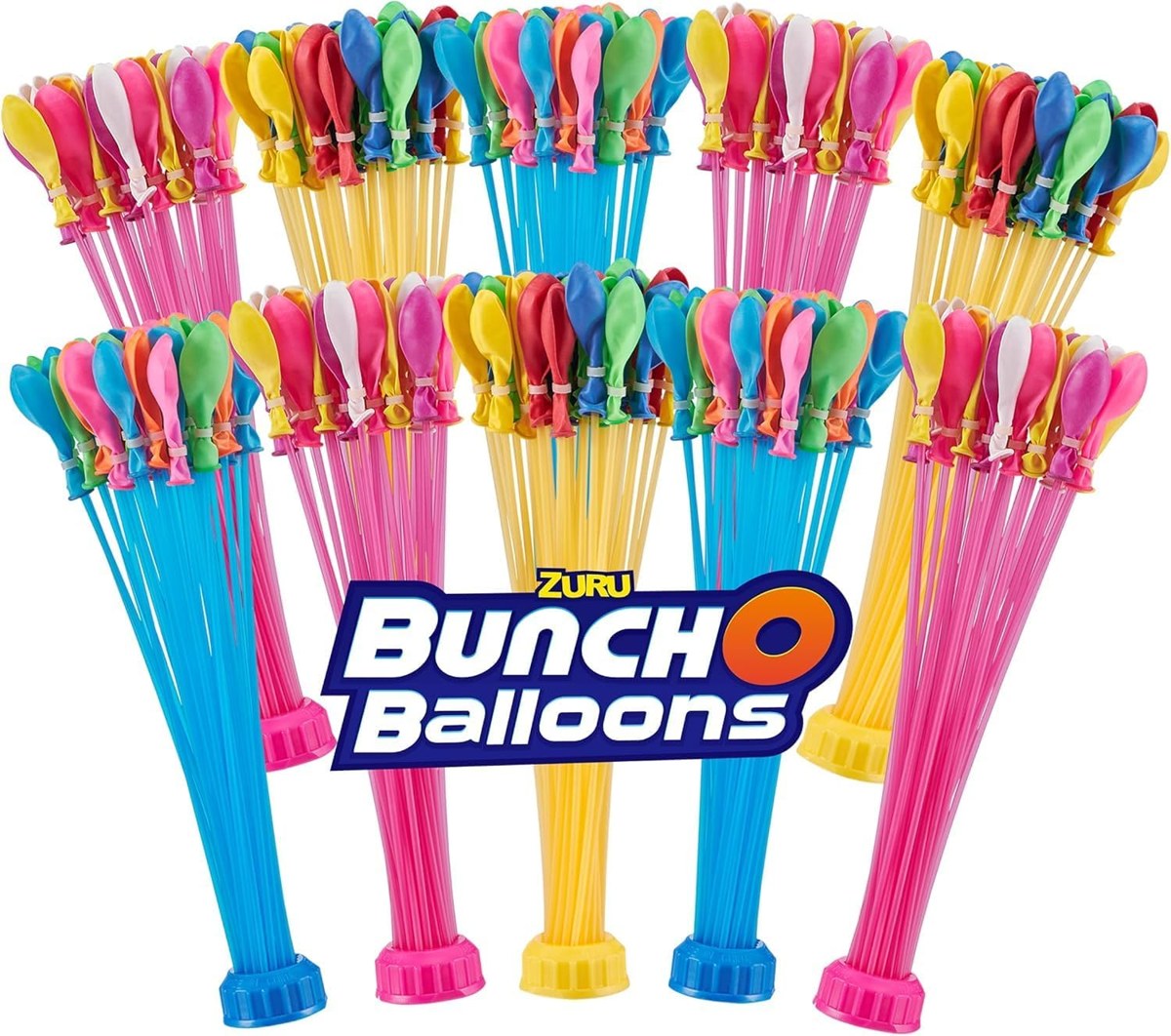
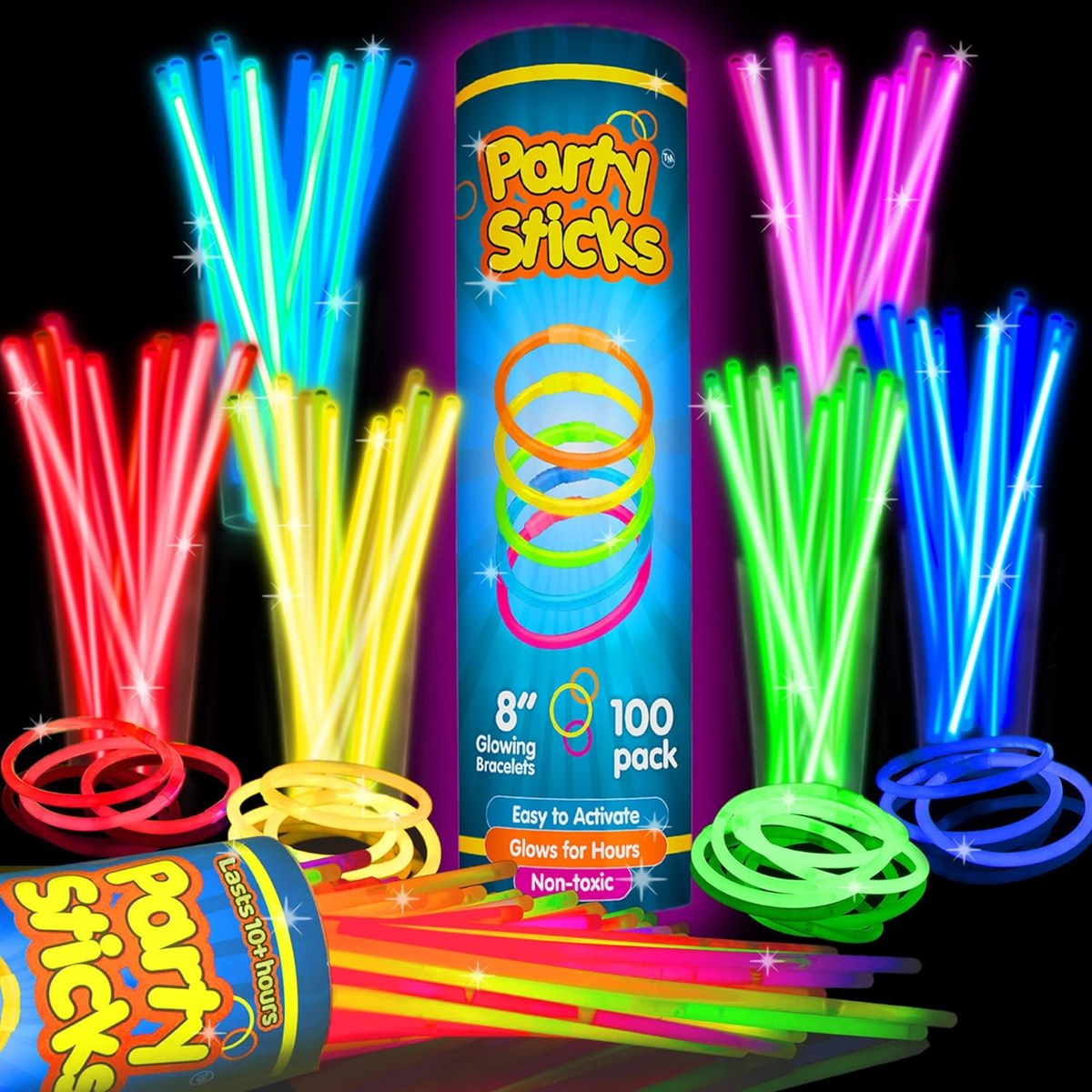
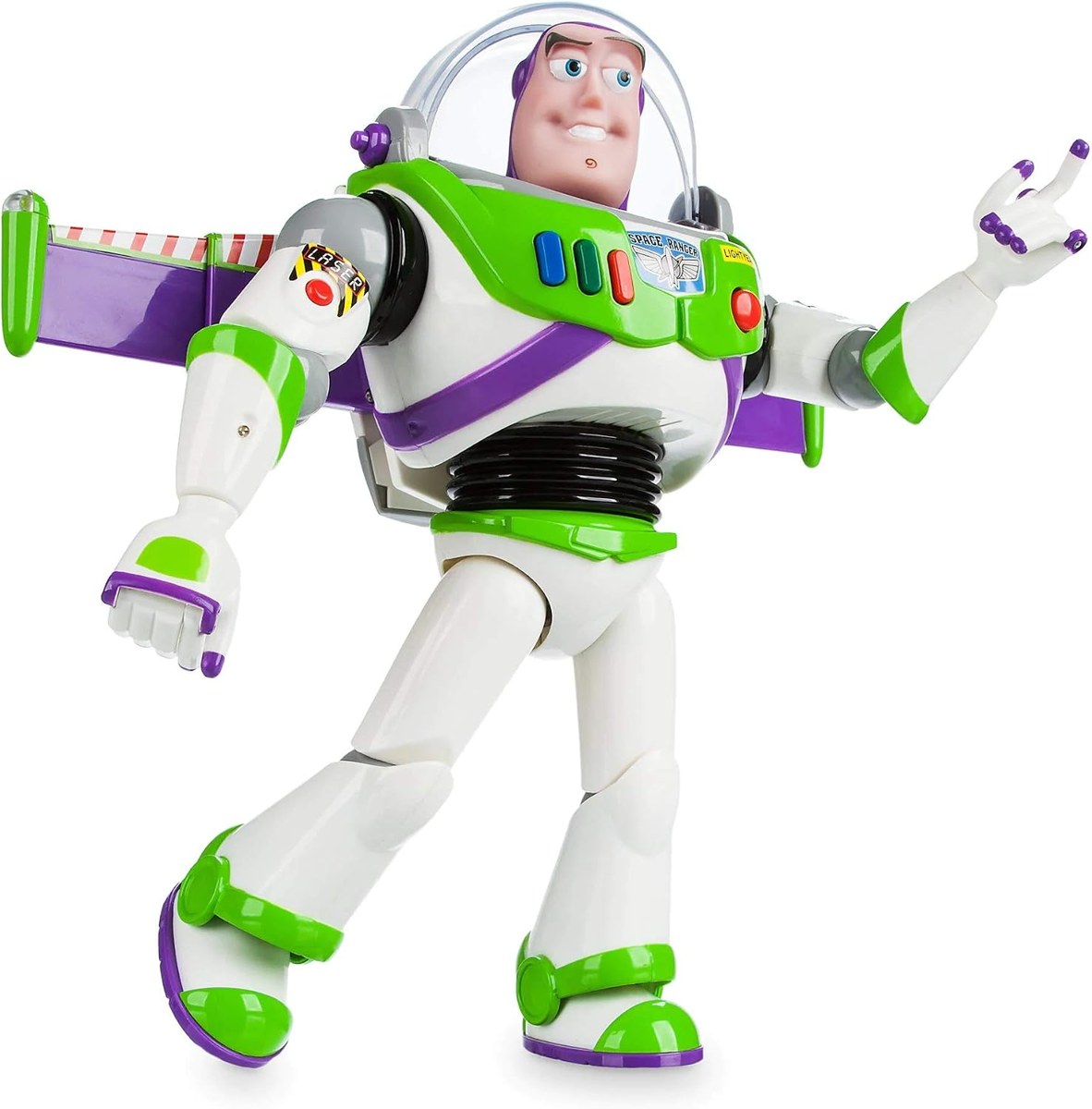
There is a specific kind of request that arrives fully formed. She doesn't describe the toy, she names it, and she names it the way you'd name a person you already know. That's the tell that it came from a feed — the ones you've seen all over TikTok, or over her shoulder on YouTube, or from the one kid at school who had it first.
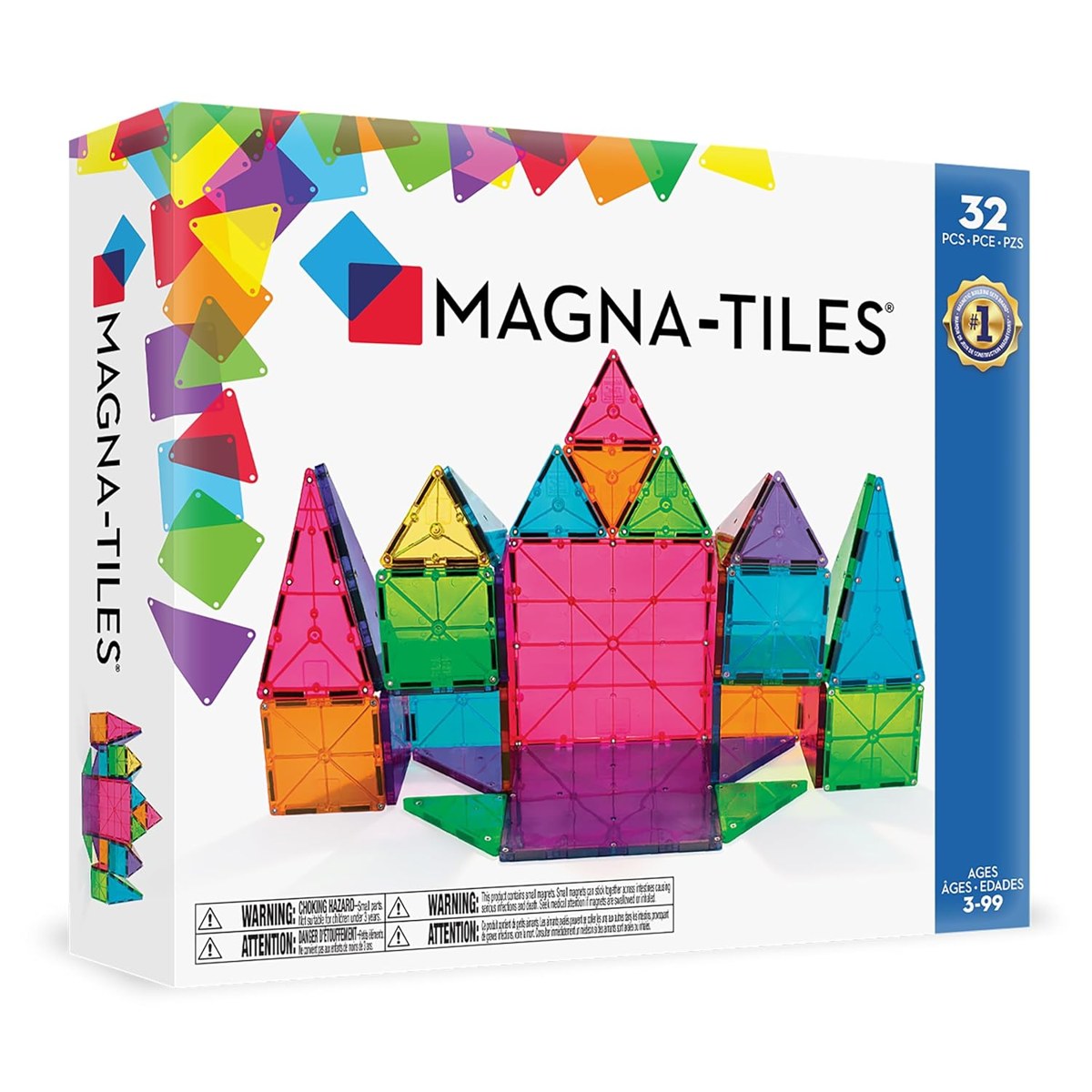
The instinct is to treat that as a reason to say no. It usually isn't. A toy being popular tells you almost nothing about whether it's good, and dismissing the whole category means occasionally refusing something genuinely excellent on the grounds that too many people agree with you. Magna-Tiles are viral. Magna-Tiles are also one of the best toys ever made.
The only question worth asking
What does she do with this on day nine? Nearly everything on a trending list is fun on day one — that's what put it on the list. The difference between a toy you'll be glad you bought and a toy that migrates to the bottom of the wardrobe is entirely about what happens after the novelty burns off, and that is knowable in advance.
Toys that keep going have one of two things. Either the child gets better at them — there's a skill curve, so being good at it is its own reward — or they get absorbed into something else she was already doing, becoming a prop in a game she invented rather than the game itself. Toys with neither have exactly one trick, and she has already watched someone else do it.
Buying a short-lived toy on purpose is fine
This guide splits into two halves and the second half is not a warning. Some of these are a brilliant Saturday afternoon and then they're done, and that is a completely reasonable thing to buy — as long as you know that's what you're buying. The regret doesn't come from short-lived toys. It comes from paying long-lived money for one, or from being quietly annoyed on day nine that the thing you expected to last a year didn't.
So: first the ones that earn a permanent spot, then the ones worth having anyway with your eyes open.