Here is the moment most of us hit somewhere around nine. She opens something you were genuinely excited about, and you watch her decide — in real time, in about a third of a second — to be pleased about it. She's kind about it. That's what makes it land badly.
Nothing has gone wrong. What's happened is that she's started curating. A nine-to-twelve-year-old is assembling a sense of who she is, and every object that enters her room either supports that story or contradicts it. A gift is no longer just a thing to do. It's a statement about how you see her — and getting seen as younger than she feels is the specific failure mode of this age.
Why the usual approach stops working
She has her own money now, or access to yours. Anything cheap and obviously wantable, she can get herself or ask for directly. Surprise loses its function; the surprise gifts that still work are the ones she wouldn't have thought to ask for.
Her friends are the reference point, not you. This is developmentally on schedule and not a rejection, but it does mean the question shifted from "will she like this" to "can she be seen with this". Those are different questions and only one of them is about her taste.
She's read the room on effort. By ten she can tell the difference between a gift you thought about and a gift you bought. The thought is now legible, which cuts both ways — it means the cheap, specific, obviously-considered thing beats the expensive generic one for the first time in her life.
The three categories that still land
Almost everything that works at this age falls into one of three buckets, and it's worth deciding which one you're shopping in before you start.
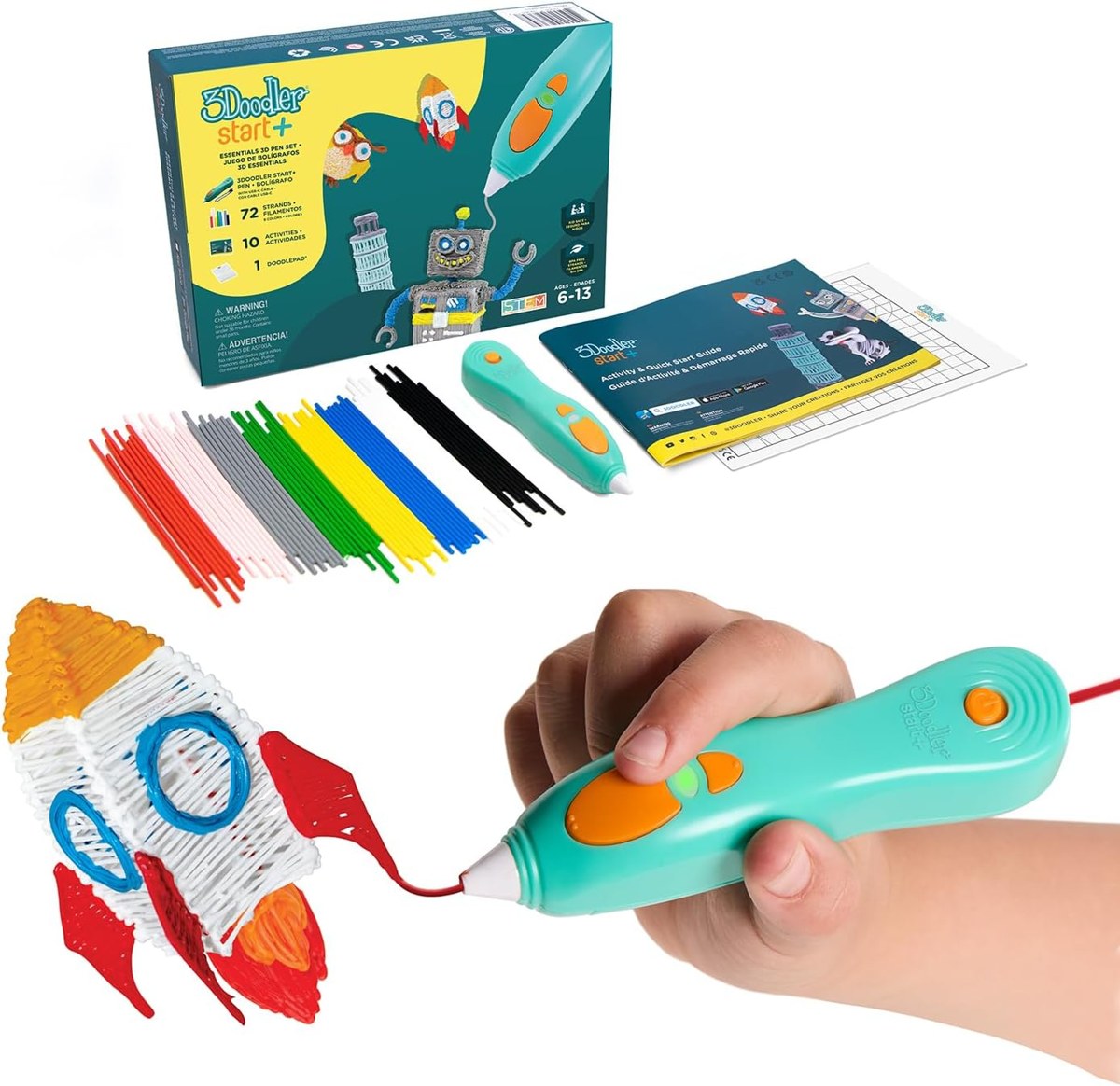
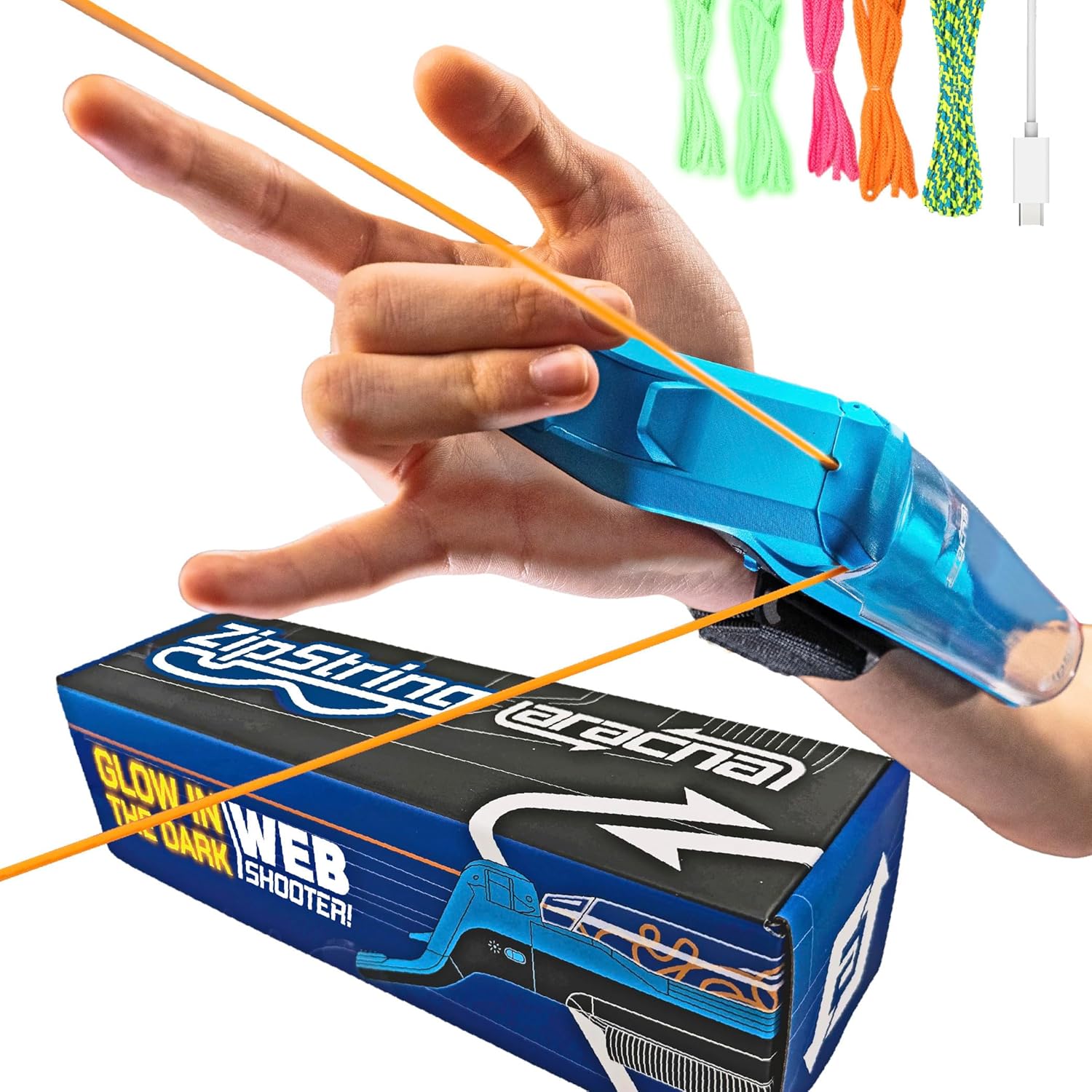
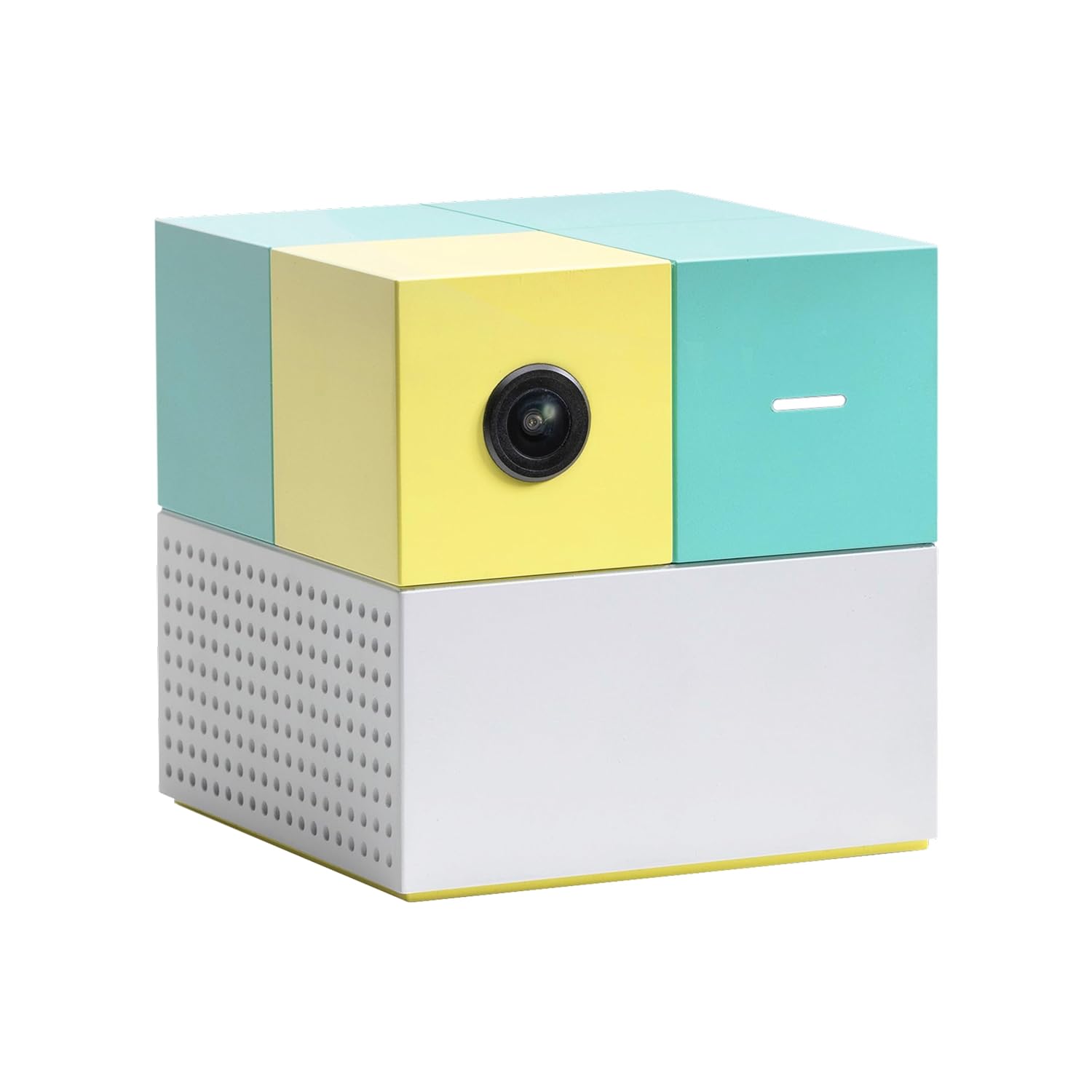
Tools, not toys. Something with a real output — a thing she makes, flies, or gets measurably better at. The defining feature is that the result is showable. If she can hold it up and say "I made this" or "I can do this now", it clears the bar.
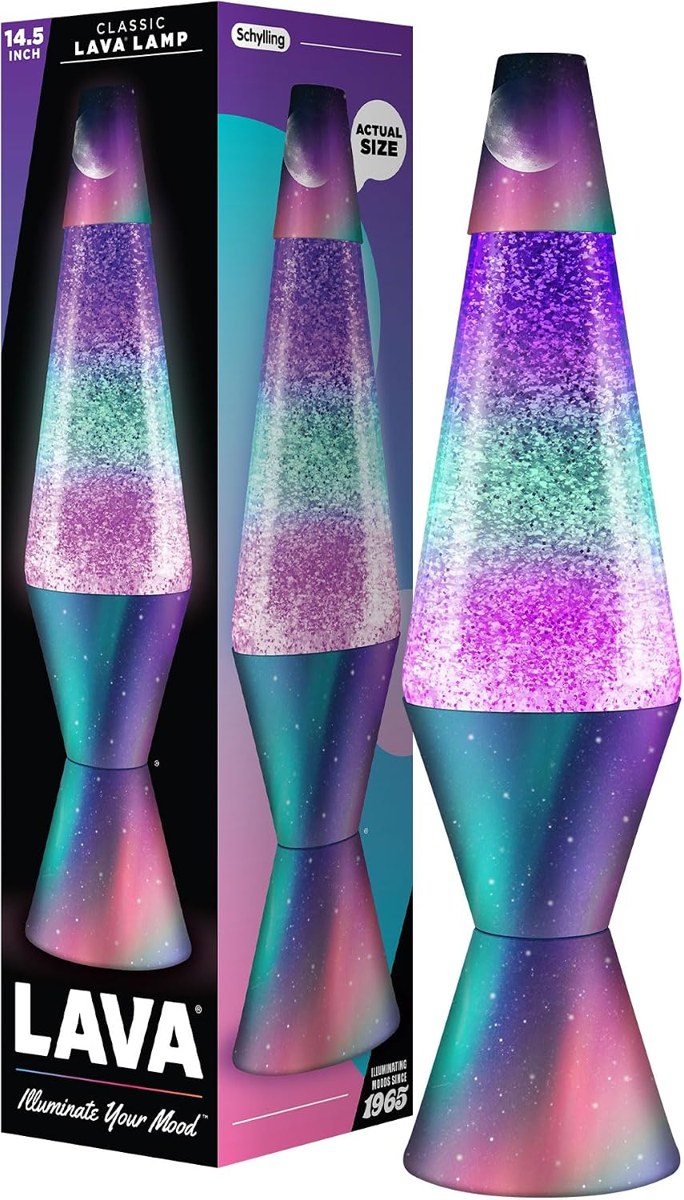
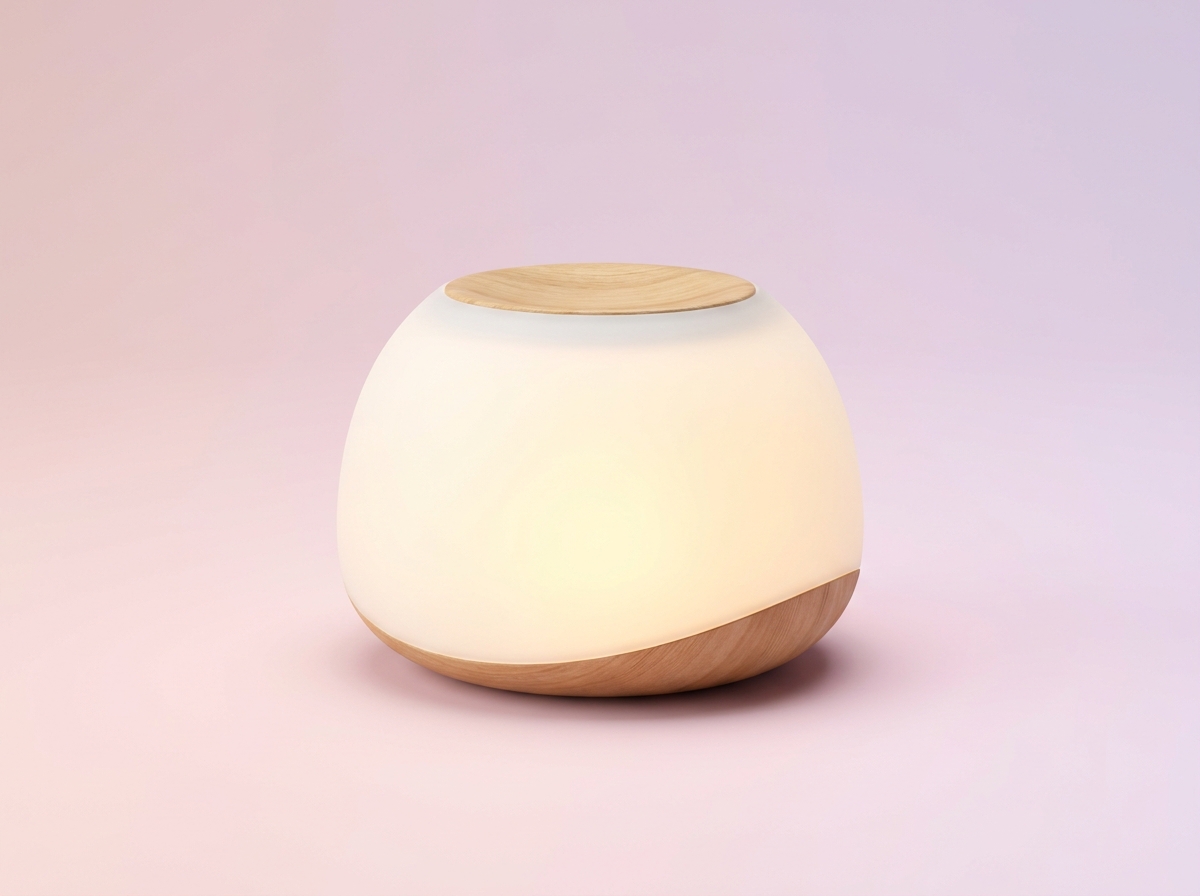
Room as identity. The bedroom is the first space she genuinely controls, and objects that shape its atmosphere carry unusual weight for the money. This is the category most parents skip and most tweens rank highest.
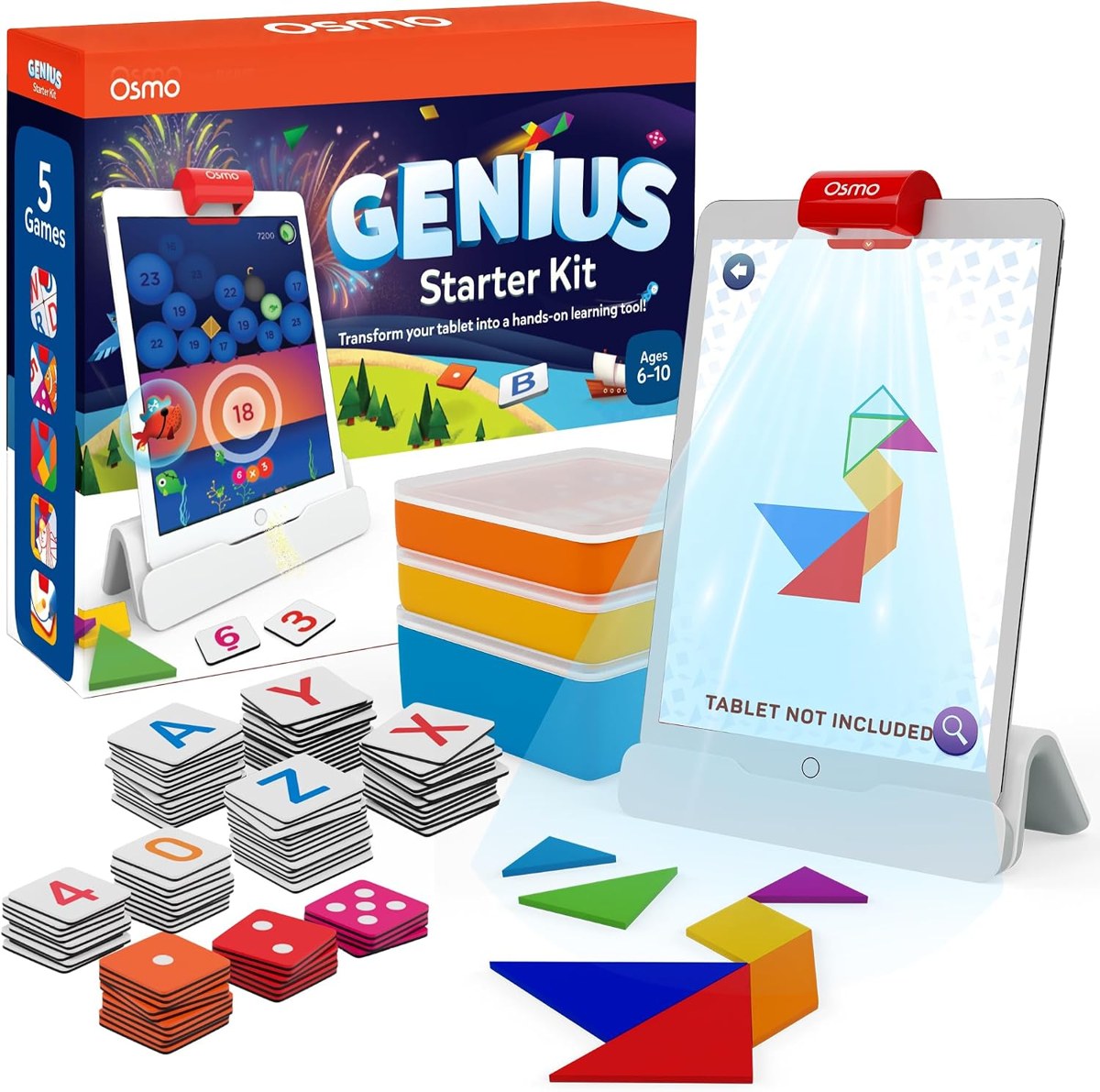
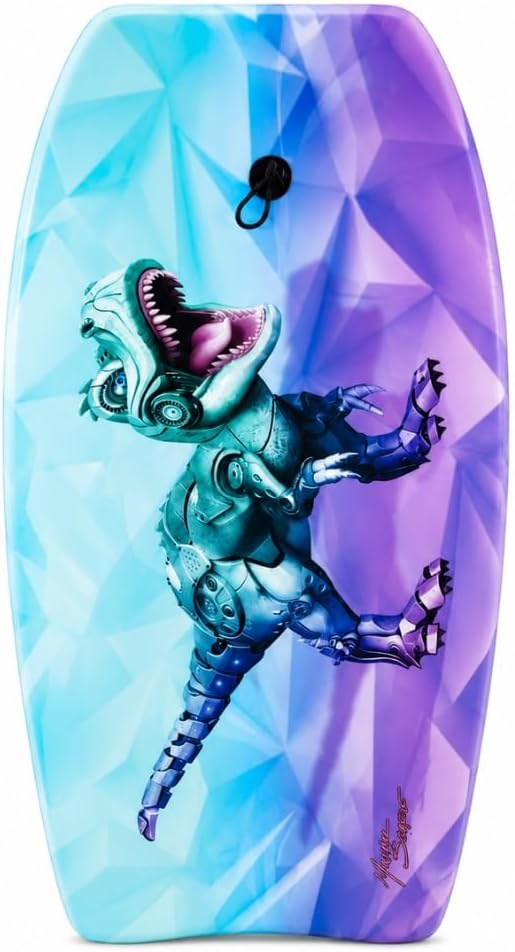
Things that are better with other people. Solo play is losing to a screen at this age and you will not win that fight head-on. What still competes is anything that gives her a reason to have someone over — or a reason for you to be in the room without it being A Talk.
One honest caveat about this list
Our catalogue is deepest in the younger age bands, so this page is a genuinely curated shortlist rather than an attempt at coverage. Everything below is something we'd stand behind for a nine-to-twelve-year-old; there are gaps we haven't filled yet rather than gaps we're papering over.