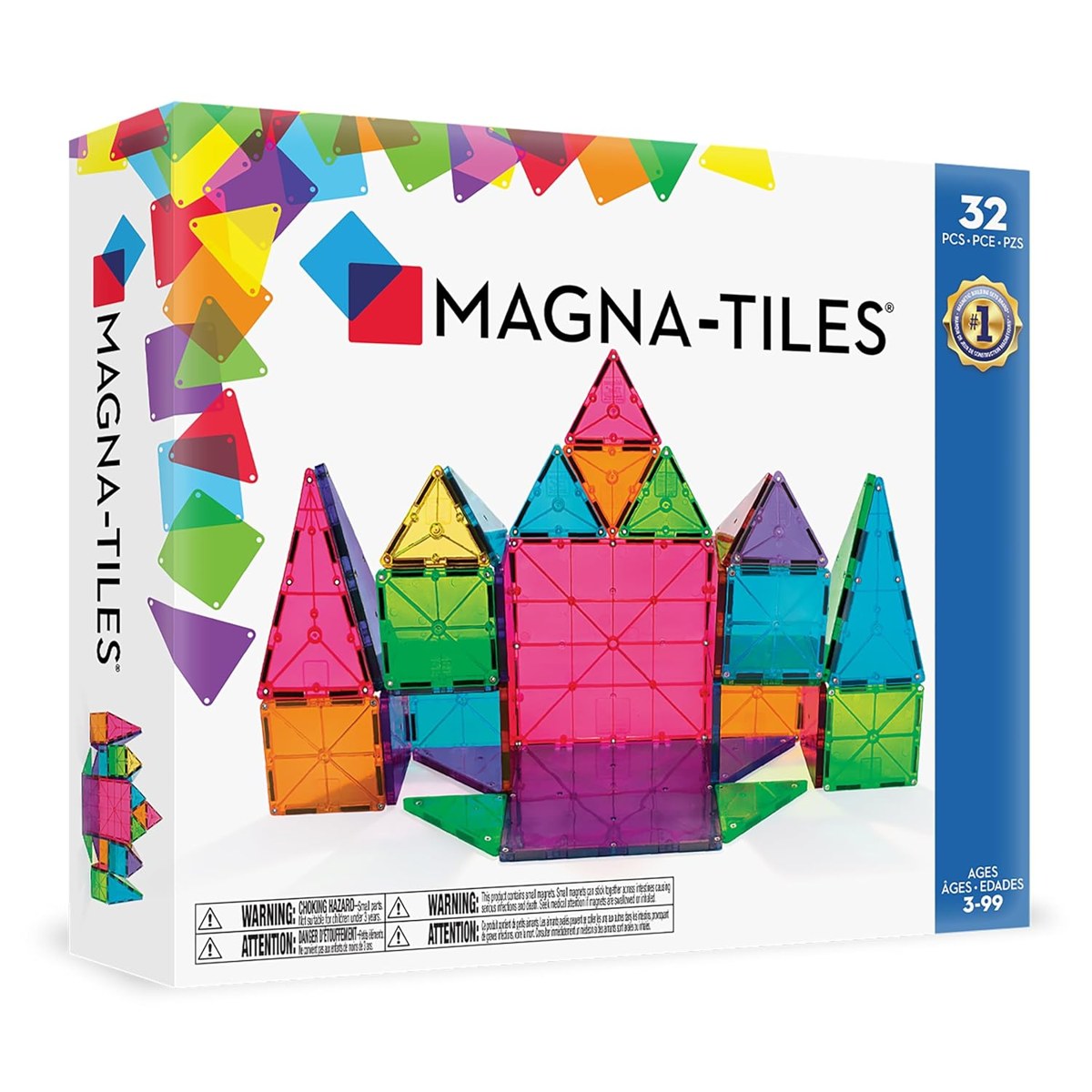
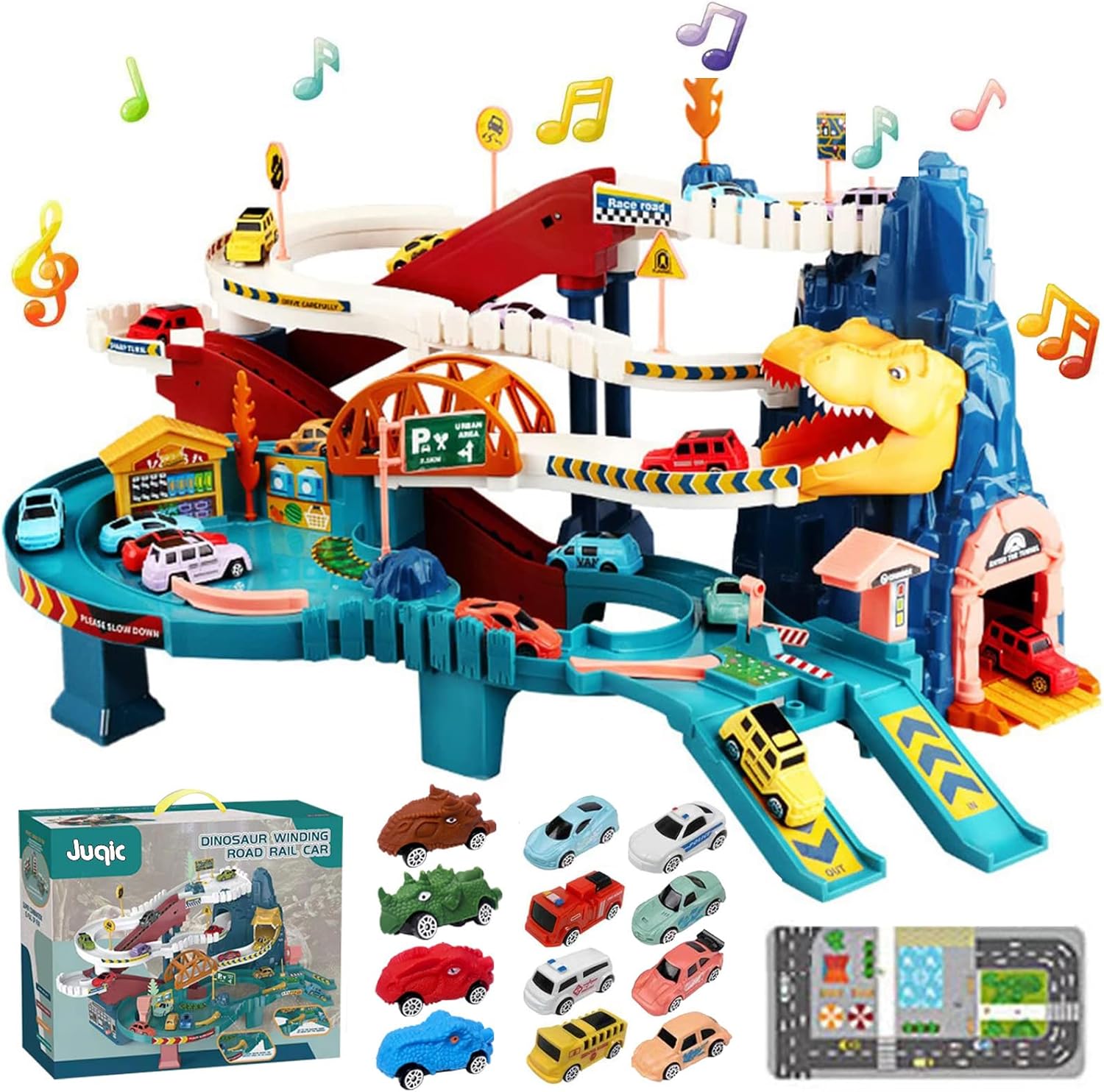
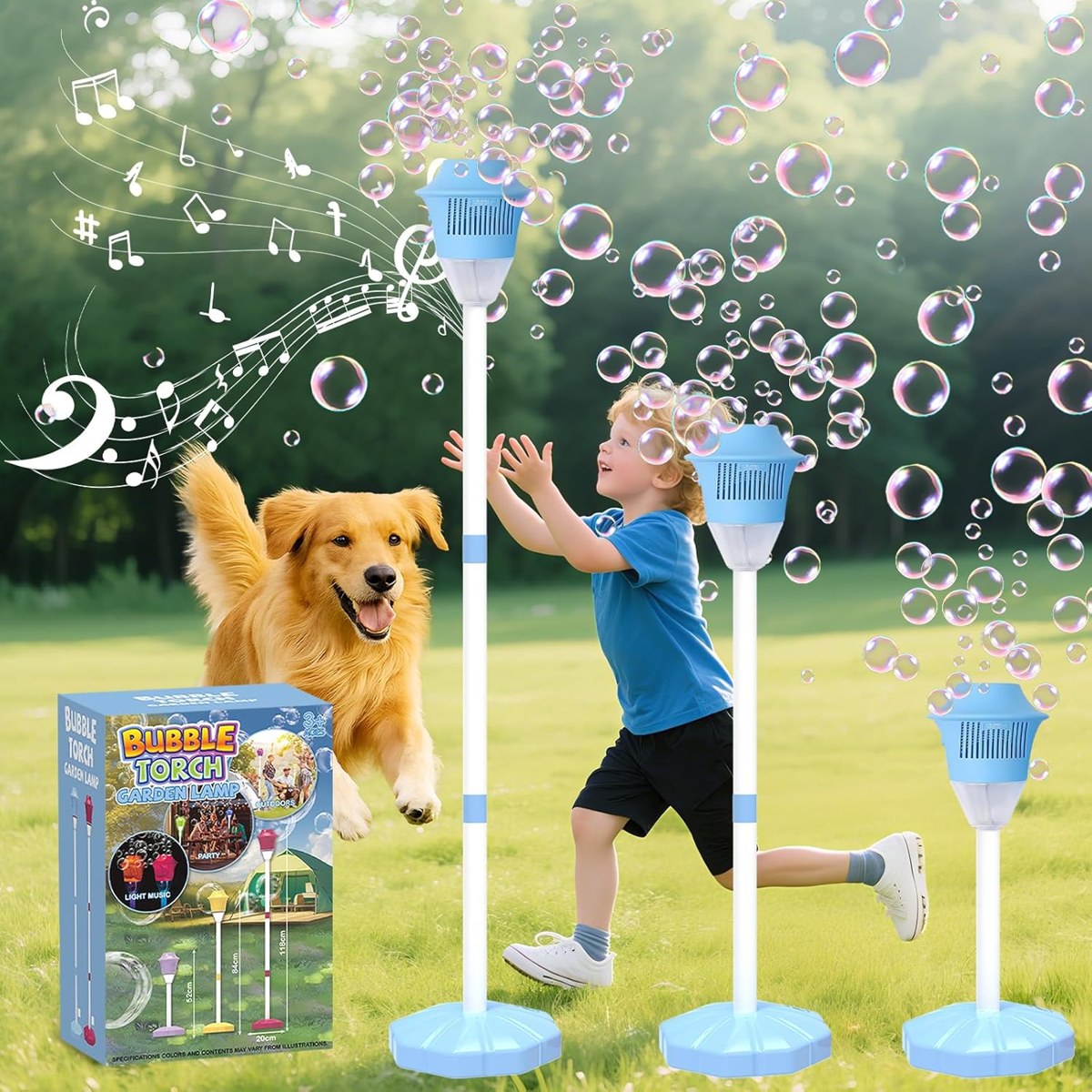
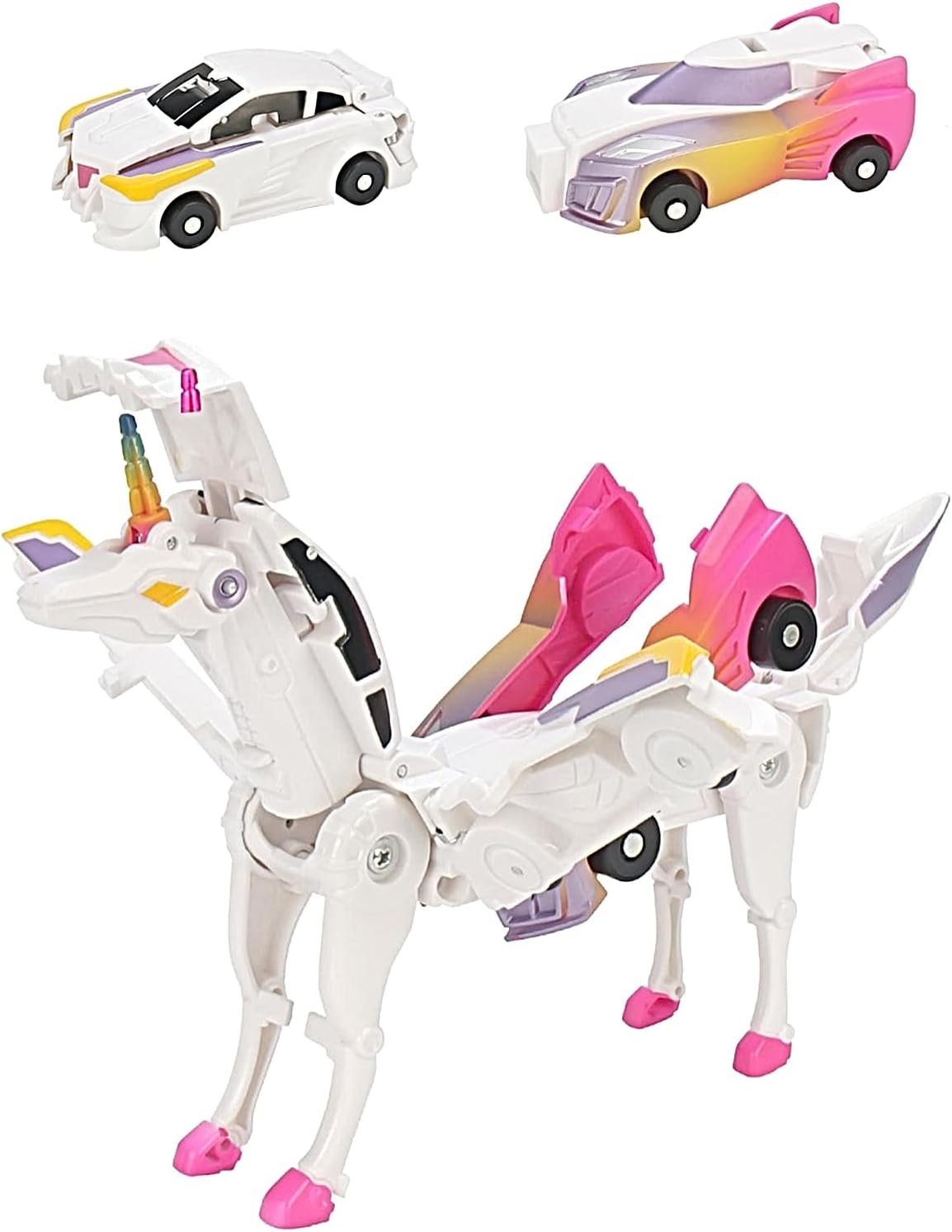
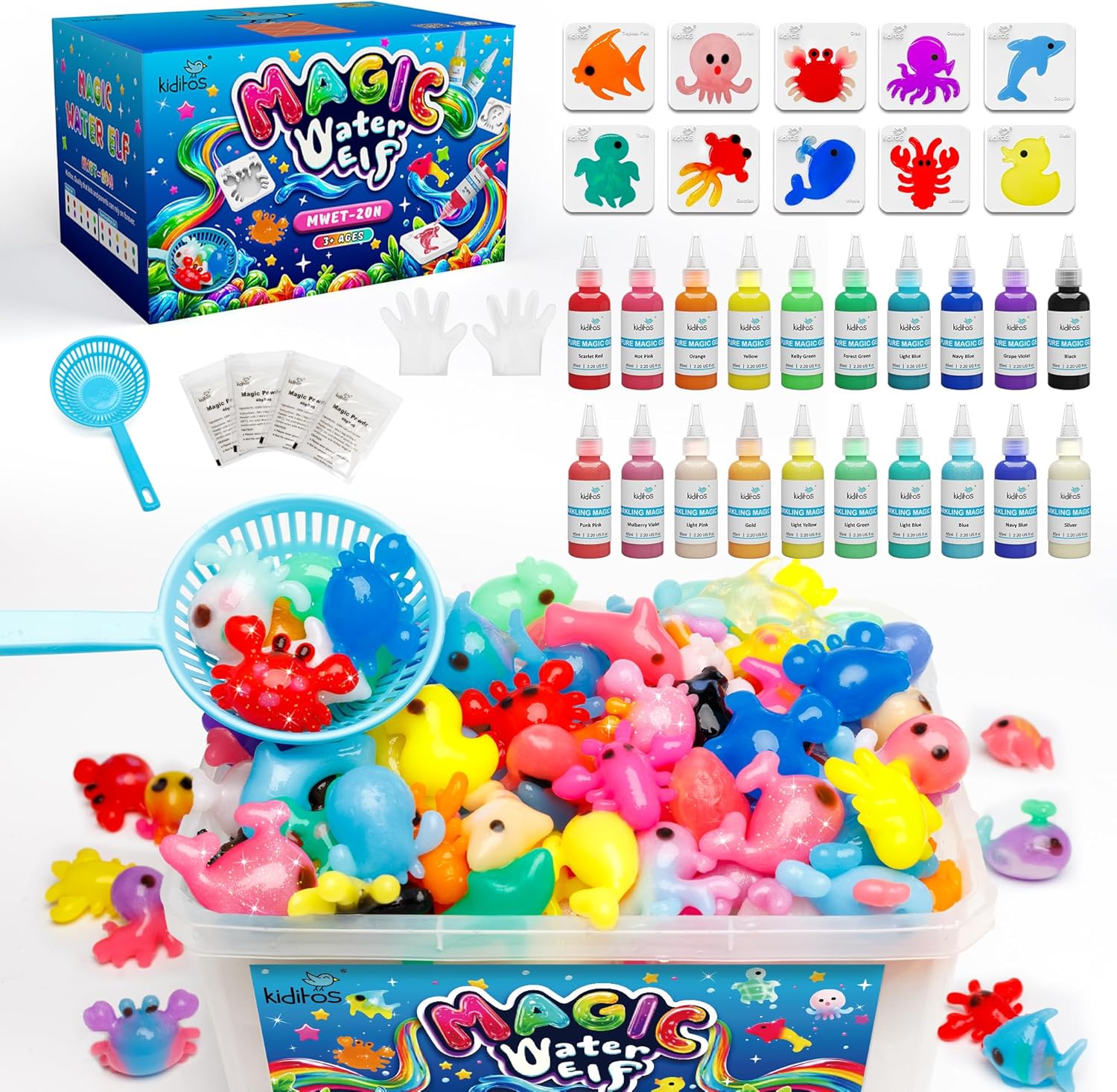
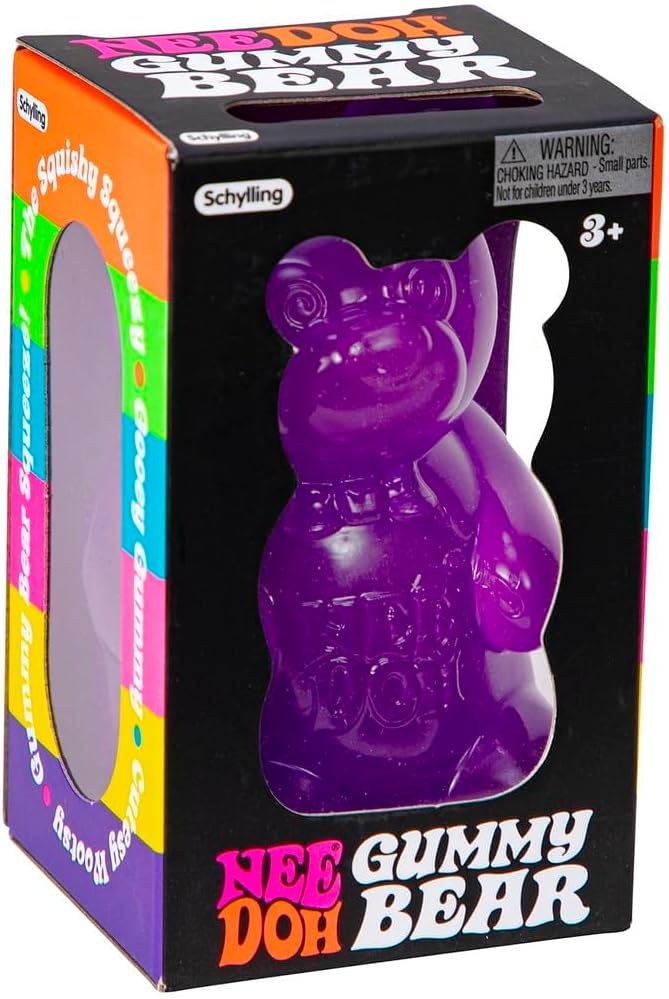
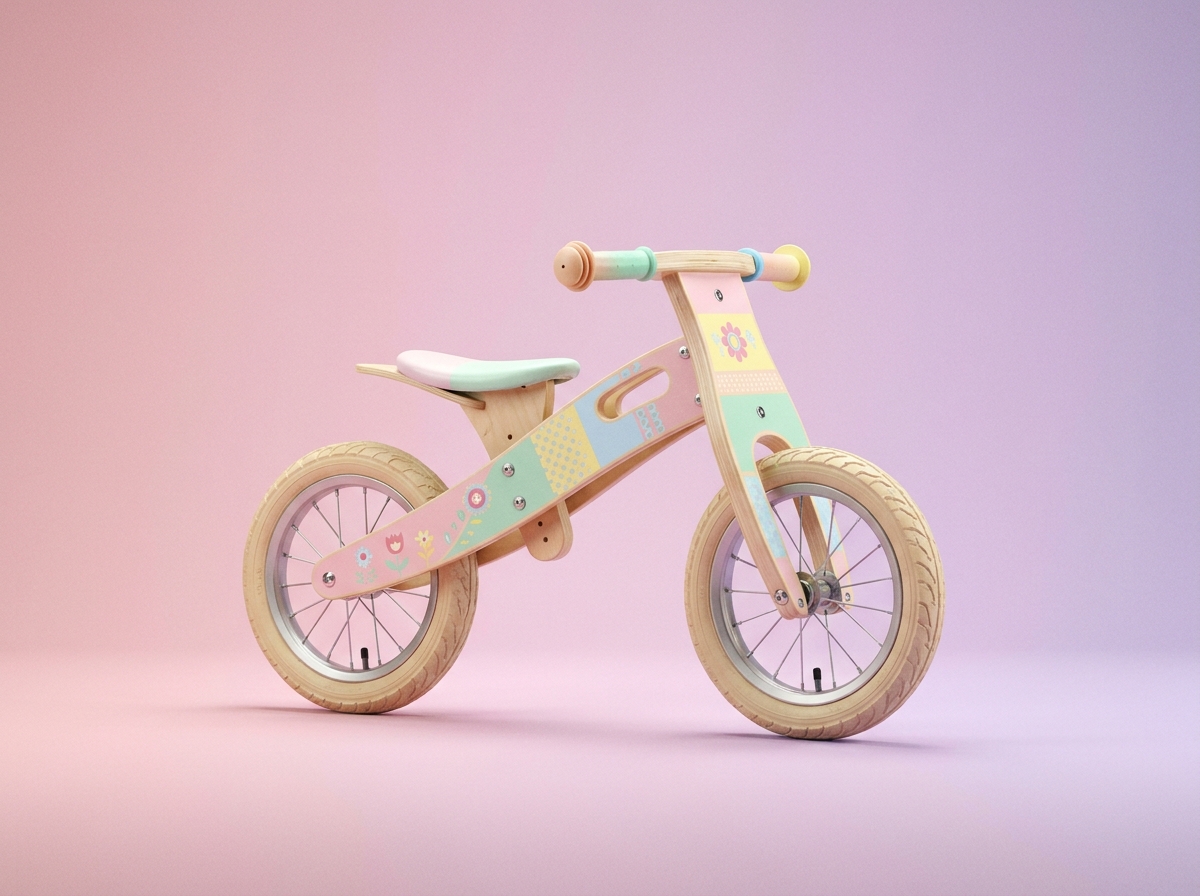
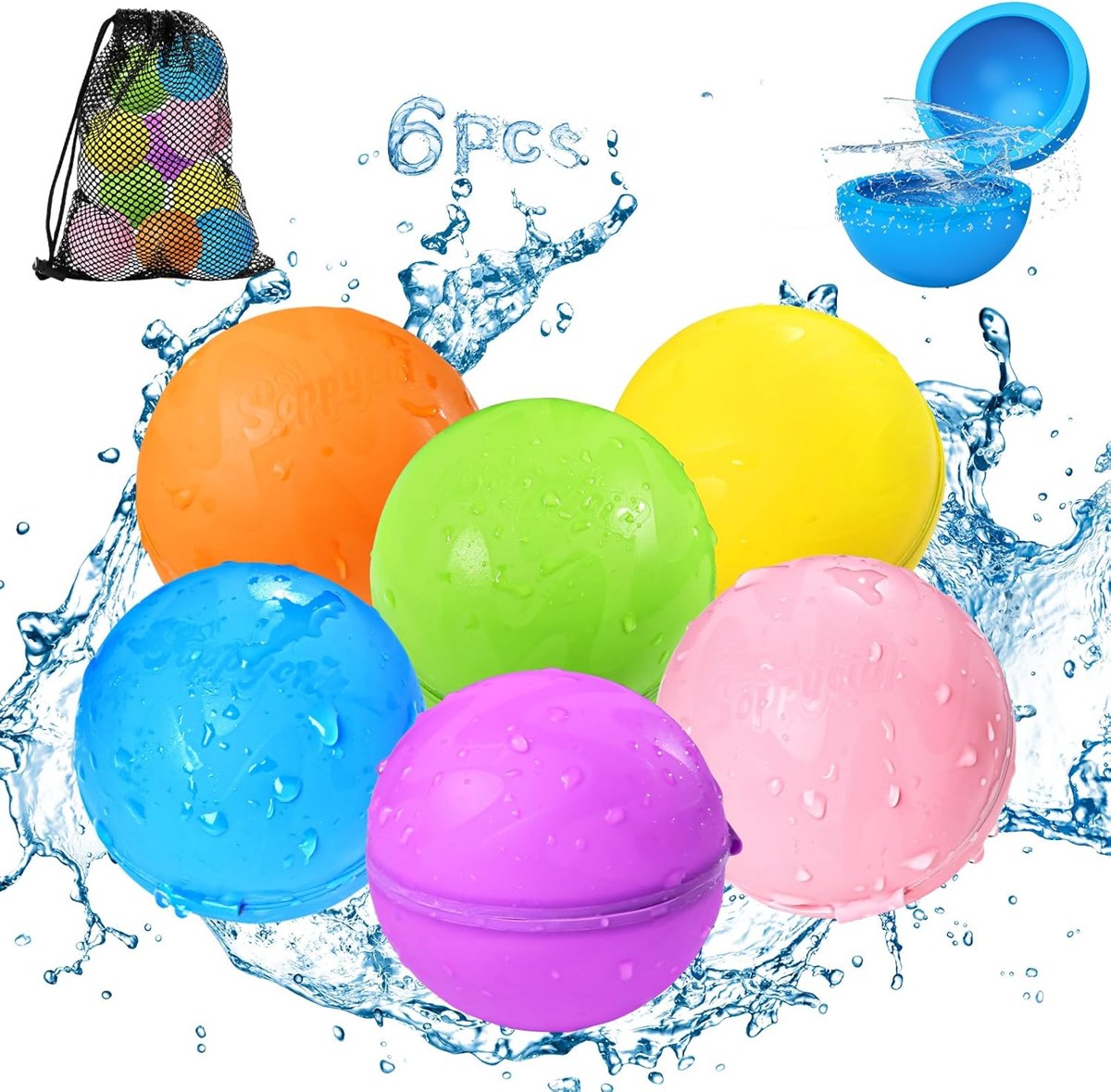
Nobody warns you that the three-to-five stretch is the hardest window to shop for. At three she is still mostly playing near other kids rather than with them, her hands can't do what her imagination wants, and she'll abandon a toy in four minutes flat. By five she's negotiating rules, assigning you a character before you've taken your coat off, and finishing something she started yesterday. Two birthdays apart, two completely different customers.
The trap is buying for the age on the box. The box is written for the youngest child who can safely use the thing, which means a "3+" toy is very often a toy a three-year-old can survive rather than one a five-year-old will love. The better question isn't can she use this — it's will this still be interesting when she's better at it?
The three things that actually change
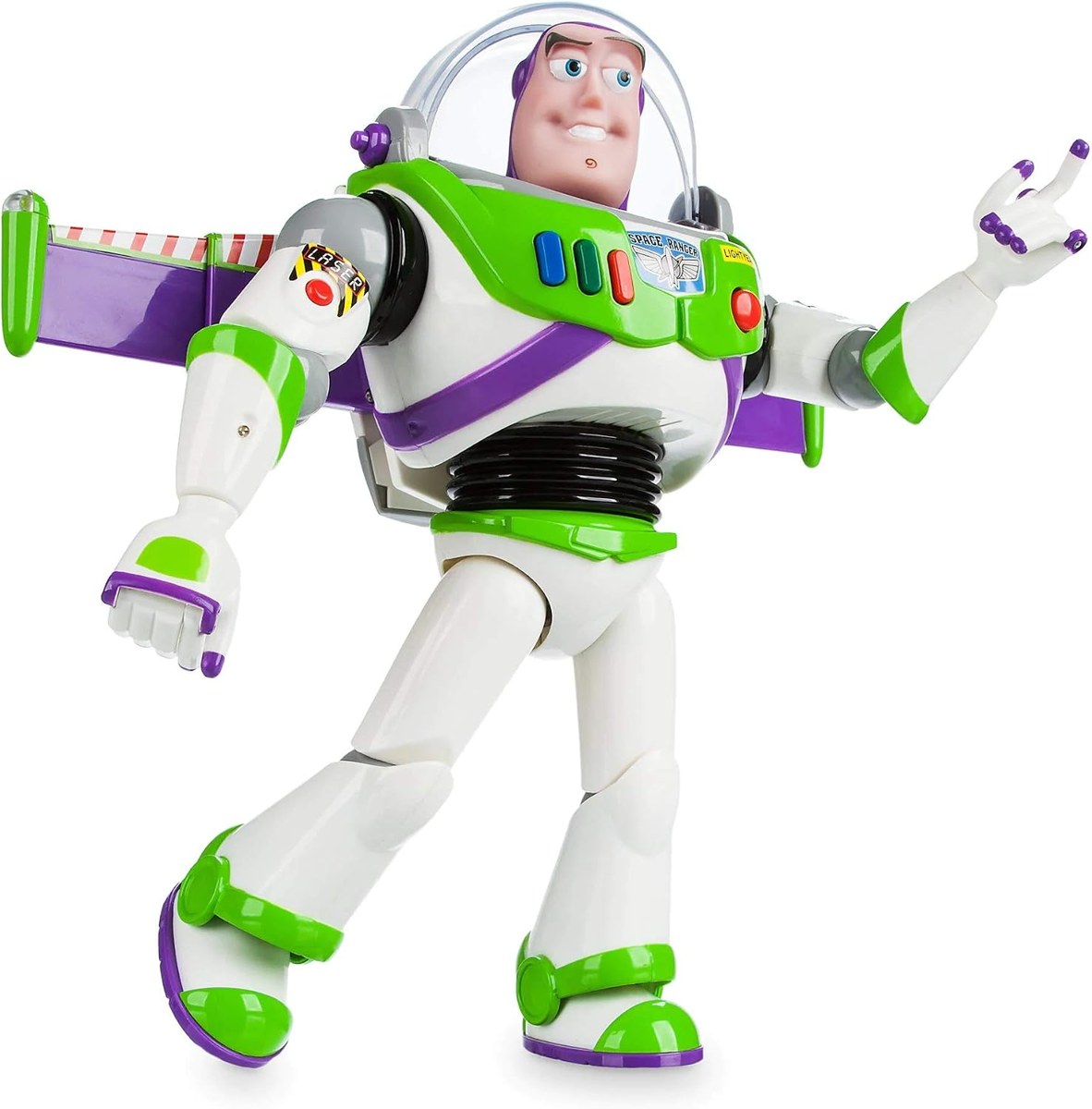
Pretend play goes from labels to plots. A three-year-old holds up a toy and tells you what it is. A four-year-old gives it a name. A five-year-old gives it a problem to solve and a friend who betrays it in act two. Toys that supply a character or a scenario get dramatically more valuable across this window, not less.
Her hands catch up with her head. Somewhere in here she stops needing you to do the fiddly part. The moment a child can load, fill, snap, or seal something herself is the moment that toy stops being a two-person job — and that's usually the moment it gets played with every day instead of every other weekend.
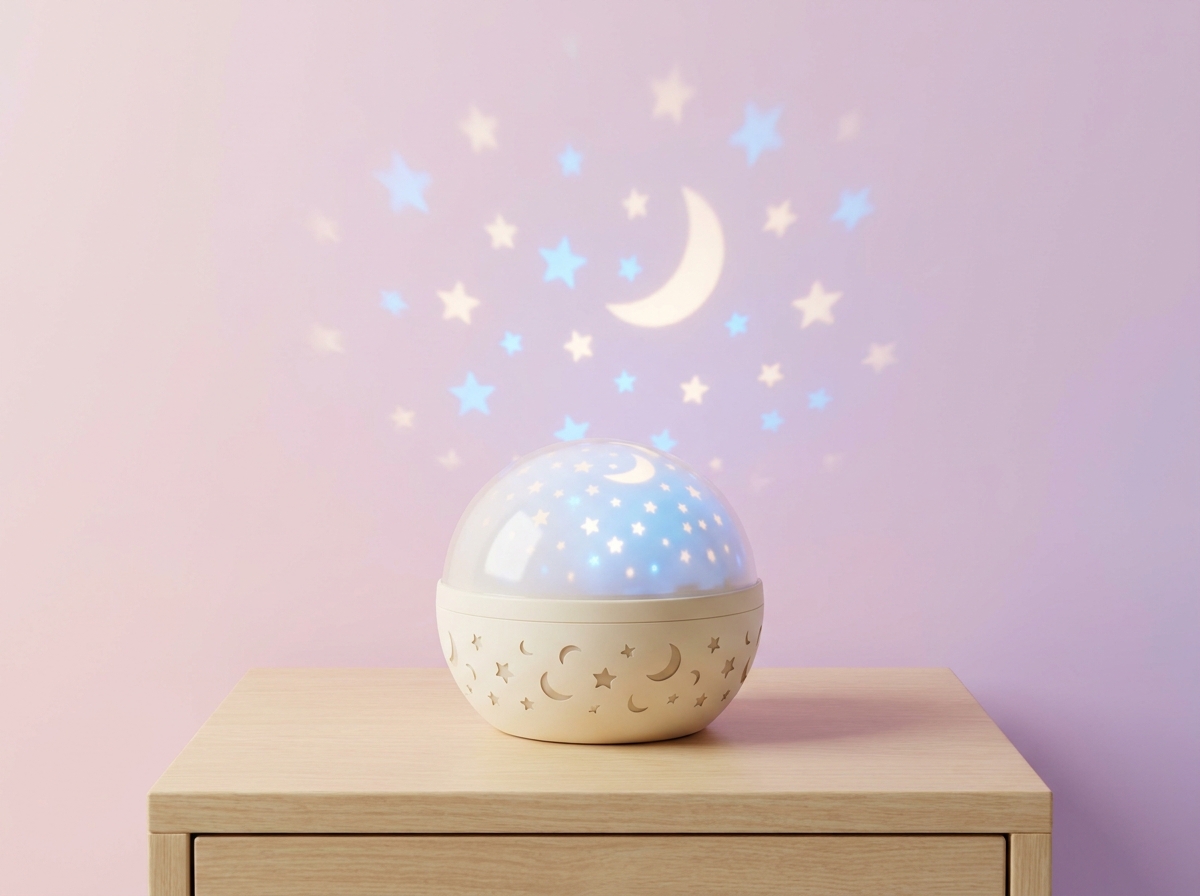
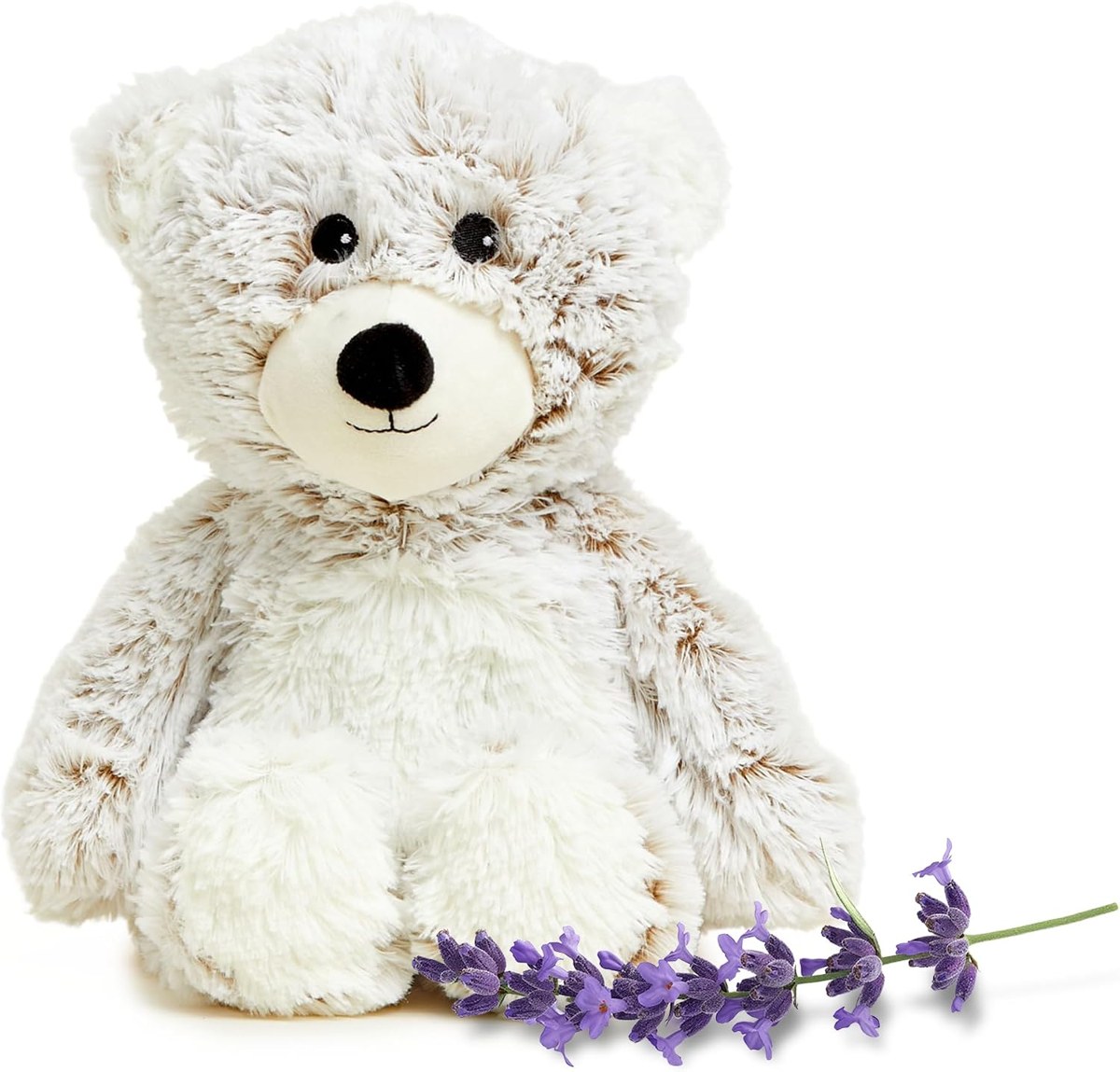
The dark gets scarier before it gets easier. Bedtime resistance peaks in this exact band, and it isn't defiance. Imagination is coming online faster than the ability to talk yourself down from it. A meaningful share of the best gifts for this age aren't really toys at all — they're bedtime infrastructure.
The four-question test we use
Before anything makes this list, it has to clear four questions. One: can she start it without you? Two: is it still fun on the tenth go, or was the whole thing the first reveal? Three: does it get better as she gets better, or does it cap out? Four: where does it live when she's done — because a toy with no home becomes a toy nobody puts away, and a toy nobody puts away becomes a toy in a donation bag by spring.
That last one sounds like housekeeping. It isn't. The single biggest predictor of whether a gift survives this age band in our house has been whether it had an obvious place to go back to.